Ian Sollom MP reflects on the local election results and the positives of steady, focused change
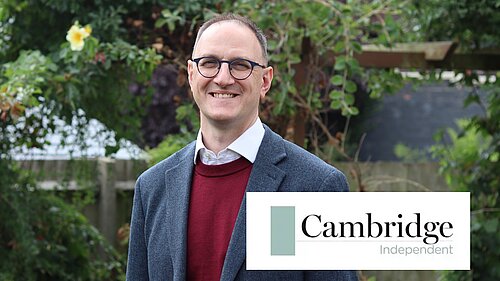
Originally written for the Cambridge Independent Column – May 2026
Ian Sollom MP reflects on the local election results and the positives of steady, focused change
One of the more frustrating aspects of modern politics is the tendency for ‘hot takes’ – an immediate reaction, some provocative instant analysis, a story that sets the agenda.
In the case of last week’s election results, many of these could have been pre-written. The surge in support for Reform, capturing councils across the country; Labour shedding over a thousand councillors and losing control of Wales for the first time; the Greens making gains. Many of these ‘hot takes’ reached for one word: fragmentation, with most of the focus on what voters were rejecting – usually framed as either Keir Starmer, or Nigel Farage.
Against the present backdrop, however, there's been a different long-term trend in Cambridgeshire worth setting out.
Back in 2018, Liberal Democrats took control of South Cambridgeshire District Council for the first time. In 2021, we took the leadership of Cambridgeshire County Council. In 2022, we increased our majorities on South Cambs and took the leadership of Huntingdonshire District Council. In 2024, three Lib Dem MPs were elected across the area. Last year we consolidated control at county level. And last Thursday, we won 43 of 45 seats on South Cambridgeshire District Council and doubled our number of councillors from 2022 to become the largest party in Huntingdonshire. I’m proud that we made 10 of those gains in my own constituency, as well as holding 14 others. Behind each of those is an electorate that looked at what had been delivered and asked for more of it.
The sequence matches a broader trend for the Lib Dems: nationally, last week's results were the eighth consecutive year of gains in local elections for my party.
Compared to the drama of councils changing hands and surges in support appearing almost overnight, this sequence in Cambridgeshire looks less remarkable. Most individual steps were modest. It is the cumulative picture that tells a different story.
The contrast to a volatile political landscape driven by empty promises is stark. We’ve seen it too often in recent history: promises that leave us all paying a price. Brexit would transform left-behind communities. Levelling up would spread wealth and opportunity. Reform now celebrates victories in councils it has little idea how to run – at least, based on the evidence of the councils they took control of 12 months ago.
The anger driving a large swathe of the British electorate is real and, in many cases, legitimate. The GP appointments that aren't there, the crippling energy costs, the epidemic of shoplifting – these are the concrete texture of a politics that hasn't delivered.
None of those failures are mysterious. They're the result of decisions taken, funding withheld, attention not paid.
But they’re also problems that yield to sustained focus rather than dramatic intervention – and that get worse when political energy is spent on the drama rather than the work of governing.
That's what the Cambridgeshire sequence represents, looked at from the other end. Not simply a story about my party, but about what politics looks like when the focus stays on the work long enough for it to compound. Eight years. Each step building on the last – and at each stage, a community saying: yes, more of this.
It's change built this way that actually arrives.